Follis: Currency under Diocletian's Tetrarchy
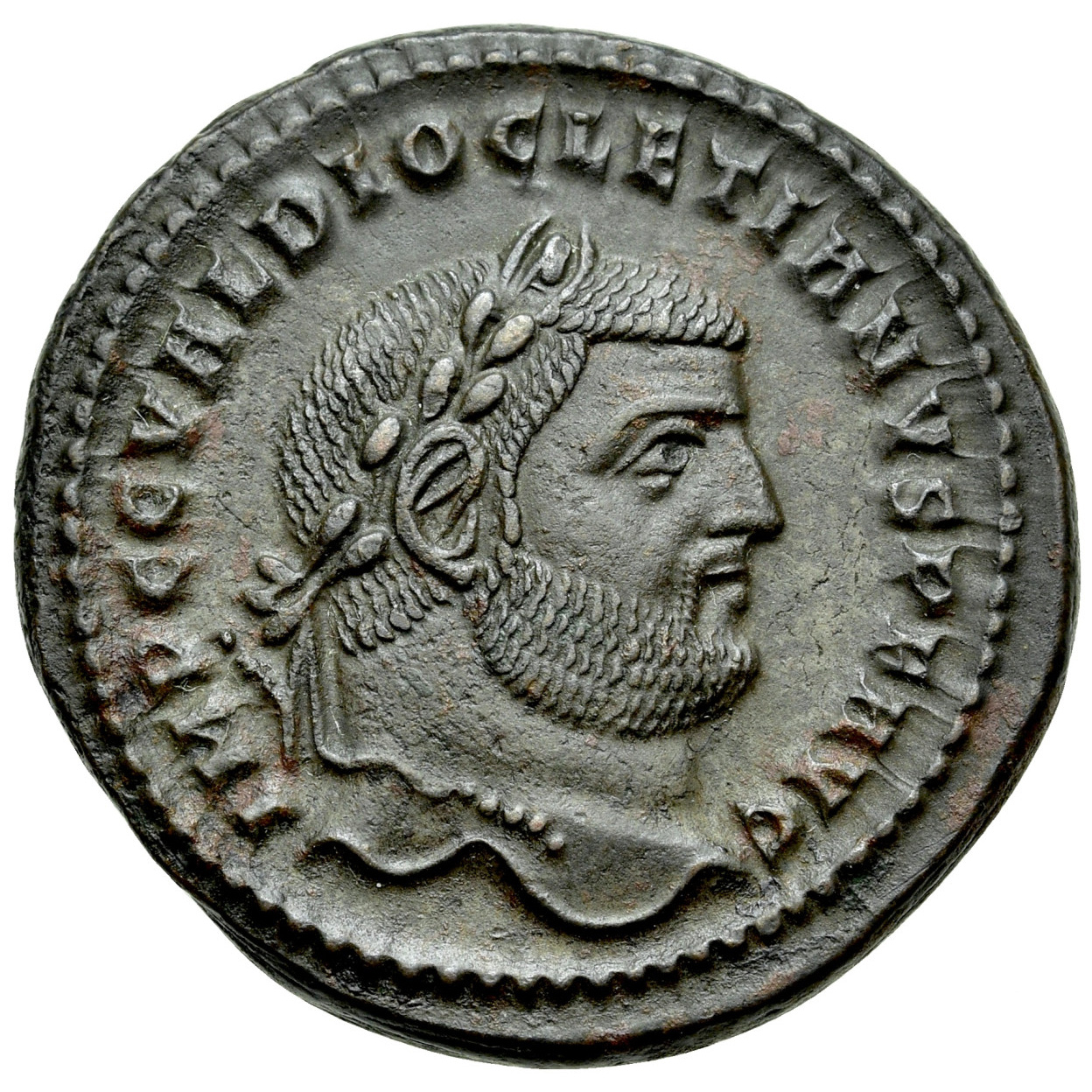
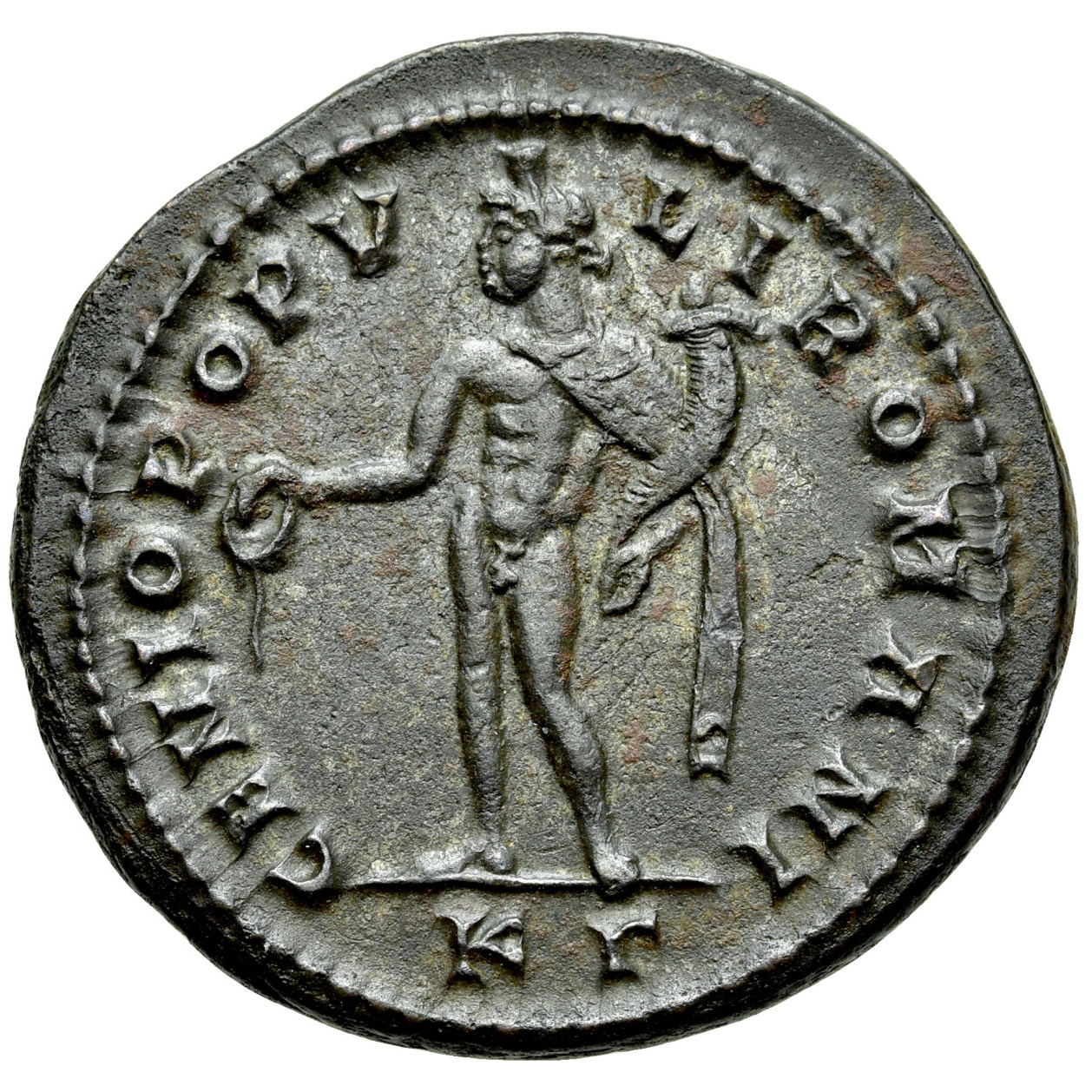
Diocletian, Roman Emperor from 284 to 305 AD, is famous for introducing major administrative reforms known as the Tetrarchy, which divided imperial power among four rulers. During his reign, Roman currency underwent substantial changes, most notably with the introduction of a large bronze coin known as the nummus (or follis) 1.
In fourth-century historical sources, the word nummus was used as the conventional term for this standard currency unit. However, older textbooks published up to the early 1980s often used the term follis incorrectly to describe the tetrarchic nummus, taking the name from a similar but much later Byzantine copper coin. In the Tetrarchic period, a follis actually referred to a sealed purse of money 1. Despite this historical correction, the name follis remains widely used today among collectors, coin dealers, and auction houses.
A period inscription describes this new coinage as being used in maiore orbis parte, meaning in most of the world. This marked a major change for the Roman Empire. The numerous local mints that had actively produced coinage for individual cities and provinces across the eastern Mediterranean during the early third century had all closed. They were replaced by a single unified imperial currency system struck across a network of official state mints 1.
The official face value of the nummus seems to have remained stable immediately after Diocletian's reign. However, coin hoards show that a major financial crisis occurred after 317 AD, when the weight and purchasing power of the nummus were reduced by half. This decline affected the whole currency system, leading to the end of the silver argenteus, which stopped being minted around 310 to 313 AD 1.
References
- Metcalf, William E. (ed.). The Oxford Handbook of Greek and Roman Coinage. Oxford: Oxford University Press, 2012. ↩
Created May 8, 2026 · Updated September 21, 2026
View related coin